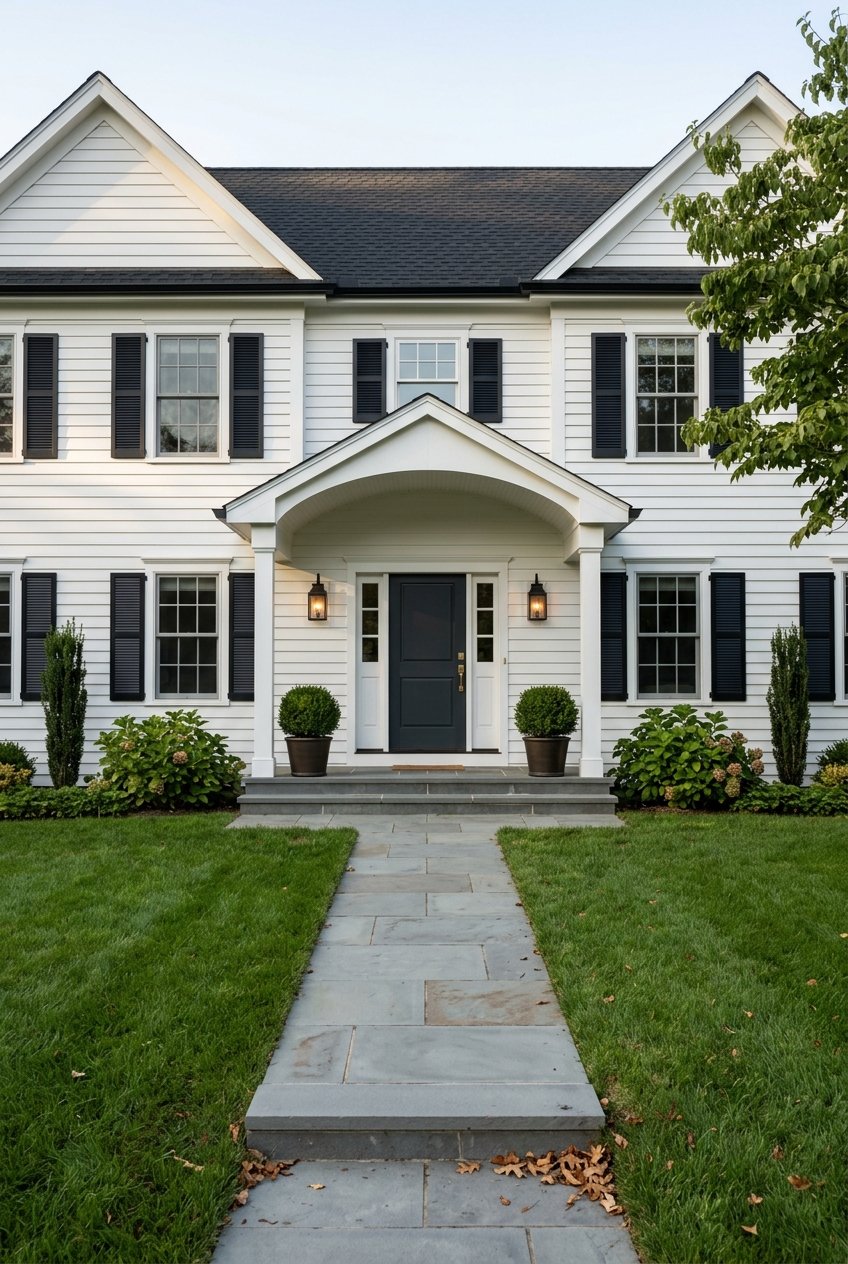
If you have started looking at Darien, you have probably noticed something quickly: one town can feel like several different markets. A home near the train and Post Road lives very differently from a larger property along the southern shoreline, and older in-town streets can offer a very different look and feel from newer transit-oriented options. This guide will help you understand how Darien’s neighborhoods and housing styles fit together so you can focus on the areas that best match your budget, commute, and lifestyle. Let’s dive in.
How Darien’s Housing Map Took Shape
Darien’s layout reflects a long local history. The downtown area grew around Darien Station after railroad service began in 1848, while shoreline areas such as Noroton, Tokeneke, and Long Neck Point developed through a summer-home tradition. After World War II, suburban growth added more streets, more homes, and a broader town center.
Zoning then reinforced those patterns. Darien uses a wide range of residential minimum lot sizes, from 8,712 square feet to 87,120 square feet. That helps explain why you can find compact in-town lots, medium-scale residential streets, and much larger estate-style parcels within the same town.
Commute patterns also matter. Darien has two Metro-North stations, Darien Station and Noroton Heights, and both play a major role in how buyers think about location. The town notes that daily weekday parking is available at both commuter lots for $5 per day, though permit rules differ by station.
Even with that commuter framework, Darien still includes meaningful open space. Selleck’s Woods is a 28-acre preserve between I-95 and the railroad, and the town maintains about 30 acres of shoreline beaches on Long Island Sound. That balance of access, open space, and varied lot sizes is part of what makes Darien feel layered rather than one-note.
Downtown Darien and Station Core
Downtown Darien is the town’s historic and practical center. It began as Darien Depot, and the rail line and Boston Post Road still shape the area today. If you want a location tied closely to the station, shops, and services, this is the clearest place to start.
This part of town also carries some of Darien’s older architectural references. Prospect Avenue, laid out in 1867 as the town’s first subdivision, includes late-19th-century Queen Anne and Italianate homes. For buyers who appreciate older architecture and a more traditional street pattern, that history adds a layer of character.
Downtown is also where Darien’s multifamily housing is most visible. The town identifies options such as The Heights at Darien, Darien Commons, Heights Crossing, The Royle at Darien, Pemberton 16, Kensett, and the Corbin District as part of today’s transit-oriented mix. That means the area is not only a commercial center, but also one of the strongest choices for condos, apartments, and townhome-style living in town.
Who downtown often suits
Downtown Darien can be a strong fit if you are looking for:
- Close proximity to the train
- A more walkable daily routine
- Older homes with architectural detail
- Smaller-scale multifamily options near the center of town
Noroton Heights for Commuter Convenience
Noroton Heights is Darien’s other key commuter hub. Town planning documents describe it as a transit-oriented district where sidewalks, bike access, pedestrian connections, and wayfinding all matter. That planning focus helps explain why housing near the station includes more apartments and townhouses, not just detached single-family homes.
For many buyers, the appeal here is practical. You have another in-town station option, nearby commercial areas along Heights Road, West Avenue, and Hollow Tree Ridge Road, and parking rules that differ from the main Darien station. Because the Noroton Heights lot is state-owned, non-residents may obtain permits there.
Historically, Noroton Heights has a distinct story too. Darien notes that the first home for disabled war veterans and soldiers’ orphans in the United States was built there in 1864. Today, though, most buyers are focused on convenience, housing variety, and how easily the area supports a more car-light routine.
What to expect in Noroton Heights
This area often appeals to buyers who want:
- Fast access to Metro-North
- Condos, apartments, or townhouse-style housing
- A location shaped by daily convenience
- Flexible parking and station access options
Noroton, Pear Tree Point, and Weed Beach
On the south side of town, Noroton and the areas around Pear Tree Point and Weed Beach feel more tied to shoreline recreation. Darien’s history connects Noroton to the era when summer homes drew New Yorkers to the coast. That legacy still influences how this area is perceived today.
The town’s beach and boating amenities reinforce that identity. Weed Beach is a 22-acre park with tennis, paddle tennis, a clubhouse, a playground, and sailing access. Pear Tree Point includes a boat launch, picnic grove, bathhouse, and beach facilities within an almost eight-acre park.
That does not mean every home here has the same style or scale. Instead, the area is defined more by proximity to shoreline amenities and a coastal rhythm. For buyers who prioritize boating, beach access, or a more recreation-centered setting, this section of Darien often rises to the top.
Tokeneke, Long Neck Point, and Southern Shoreline
If you picture Darien at its most estate-like, you are likely thinking of Tokeneke, Long Neck Point, and parts of the southern shoreline. These areas are closely tied to the town’s summer-home history and still stand out for larger parcels and a more coastal residential feel.
Recent town sales examples on roads such as Delafield Island, Crooked Mile, and Watch Tower show properties often ranging around 1 to 2.5 acres. Colonial and Cape Cod homes appear frequently in that mix. Together, those larger lots and established shoreline roads create a different experience from the station corridor and tighter in-town blocks.
For some buyers, this part of Darien is about privacy and parcel size. For others, it is about the visual appeal of coastal roads, larger homesites, and the legacy of shoreline development. Either way, this is the part of town where lot scale tends to change the conversation most clearly.
Why the shoreline feels different
The southern shoreline often stands apart because of:
- Larger parcels
- Stronger estate character
- Coastal location and road patterns
- A housing mix that often includes colonials and Cape Cod homes
Older In-Town Streets and Inland Areas
Not every Darien home search revolves around the train or the shoreline. Inland and older in-town streets, including Brookside, Mansfield, Middlesex, West Avenue, Edgerton Street, Gardiner Street, Crimmins Road, and Laforge Road, show another important side of the market. These streets reflect both the late-19th-century building boom and later postwar infill.
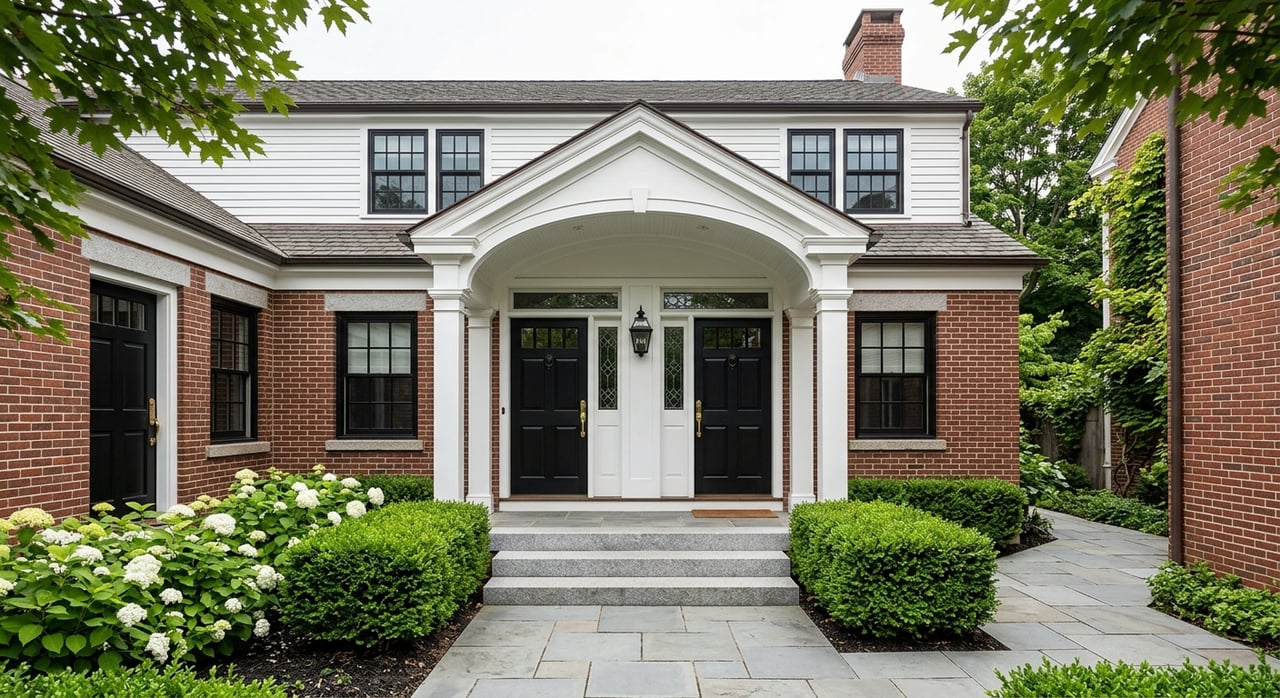
The housing styles here are broad. Town sales examples include colonials, capes, split levels, ranches, raised ranches, townhouses, and old-style homes. Parcels are often smaller than what you see along the southern shoreline, which can create a different budget and maintenance picture.
For many buyers, these areas offer a practical middle ground. You may find a more traditional neighborhood street pattern, a wider range of home styles, and a lot size that feels manageable without being overly compact. That makes inland Darien worth a close look if you want flexibility rather than one very specific setting.
Darien Housing Styles Explained
One of the most useful things to know about Darien is that the architecture is broader than many buyers expect. The town includes 18th-century references such as the Mather Homestead, built in 1778, as well as late-19th-century Queen Anne and Italianate examples on Prospect Avenue. That older stock gives Darien more architectural texture than a purely postwar suburb.
At the same time, 20th-century housing is a major part of the inventory. Town sales data regularly show colonials, capes, ranches, split levels, raised ranches, and old-style homes. If you are searching in Darien, you are not shopping in a single-style market.
The town’s planning history helps explain that consistency. After the 1940s, zoning was tightened to one dwelling per lot, and 1950s zoning revisions linked larger-lot districts to areas without sewer service. Denser districts were generally associated with existing or planned utilities, which is part of why you see different housing patterns from one section of town to another.
Common housing types in Darien
You are likely to encounter:
- Colonials on many residential streets and larger parcels
- Cape Cod homes in parts of the shoreline and broader town market
- Ranches and raised ranches in postwar and later in-town areas
- Split levels on inland residential streets
- Queen Anne and Italianate homes near historic downtown areas
- Condos, townhouses, and apartments clustered closer to transit
How Lot Size Affects Your Search
In Darien, lot size is not a small detail. It is one of the clearest ways to understand the town. Residential minimum lots range from 8,712 square feet to 87,120 square feet, which creates a wide spectrum from compact lots to one-acre and two-acre settings.
The town also notes a practical distinction behind those zones. One-acre and two-acre zones are generally on wells and septic, while denser zones usually have public water and sewer. For buyers, that can affect not just the feel of the property, but also the day-to-day ownership conversation.
This is why two homes with similar square footage can live very differently depending on where they sit. In-town properties may trade more on convenience and smaller lots, while southern and larger-lot districts may lean more on land, privacy, and estate character.
Budget Clues by Area and Housing Type
Darien’s town sales examples offer a helpful snapshot of how location and housing type can shift pricing, even though they are not current market quotes. Darien Close townhouse units sold in the high-$700,000s to low-$900,000s during the sample period. West Avenue homes ranged roughly from the mid-$600,000s to the mid-$1.6 million range.
On larger shoreline roads such as Delafield Island, Crooked Mile, and Watch Tower, sample sales moved into the multi-million-dollar range. That gradient helps explain why buyers benefit from matching neighborhood and lot size early in the search. It also shows that Darien includes more range than many people assume at first glance.
How to Match the Right Area to You
If you are trying to narrow Darien quickly, it helps to start with three questions: How important is the train, how much lot size do you want, and what kind of home style feels right to you? Those answers often point you toward the right part of town faster than price alone.
If commute ease leads your list, Downtown Darien and Noroton Heights deserve close attention. If beach access and boating matter more, Noroton, Pear Tree Point, and Weed Beach may make more sense. If you are drawn to larger parcels and a more estate-like coastal setting, Tokeneke, Long Neck Point, and the southern shoreline are the obvious places to study.
If your priority is architectural character or a broader spread of housing types, older in-town streets and inland areas may offer the most flexibility. The key is to compare neighborhoods not just by price, but by how they support your day-to-day life. That is often where the best decision becomes clearer.
Whether you are comparing shoreline parcels, station-area condos, or classic in-town colonials, local context matters in Darien. If you want help narrowing the right fit or preparing to buy or sell in this market, connect with Ken Banks for trusted, neighborhood-level guidance.
FAQs
What are the main Darien, CT neighborhood types for buyers to know?
- Darien is often understood through Downtown Darien and the station core, Noroton Heights, Noroton and the beach areas, Tokeneke and Long Neck Point along the southern shoreline, and older inland in-town streets.
What housing styles are common in Darien, CT?
- Common Darien housing styles include colonials, Cape Cod homes, ranches, raised ranches, split levels, old-style homes, and a smaller but meaningful mix of condos, townhouses, and apartments near transit.
Which Darien, CT neighborhoods are best for commuting?
- Downtown Darien and Noroton Heights are the two main commuter-oriented areas because they are built around Darien’s Metro-North stations and related parking access.
Which Darien, CT areas have larger lots?
- Tokeneke, Long Neck Point, and other southern shoreline areas are most associated with larger parcels, while one-acre and two-acre zoning also appears in parts of town tied to well and septic service.
Does Darien, CT have condos and townhouses?
- Yes. Darien has condo, townhouse, and apartment options, especially near transit-oriented areas such as Downtown Darien and Noroton Heights.
How does lot size affect home choices in Darien, CT?
- Lot size shapes privacy, utility access, maintenance needs, and the overall feel of a property, with Darien ranging from compact in-town lots to much larger estate-style parcels.
Are beach and boating amenities a big part of Darien, CT living?
- Yes. Areas around Noroton, Weed Beach, and Pear Tree Point are especially tied to beach, boating, sailing, and shoreline recreation.