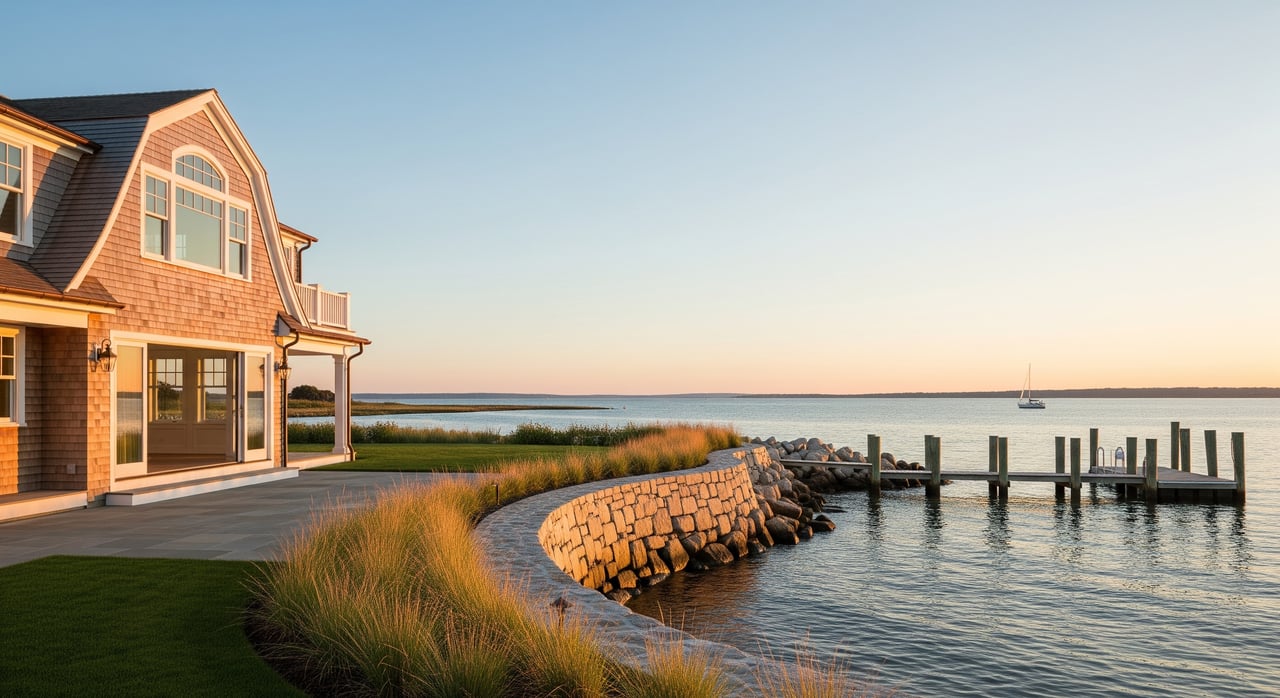
Love living by the Sound, but unsure which upgrades actually boost value in Milford? You are not alone. Along our shoreline, buyers care about views and lifestyle, but they also look for features that stand up to salt, wind, and tides. In this guide, you will learn which coastal-friendly improvements tend to deliver, why they matter in Milford, and how to plan smart pre-list steps without over-spending. Let’s dive in.
Why coastal features matter in Milford
Milford sits on Long Island Sound with miles of shoreline and tidal marshes. Waterfront and near-water homes feel the effects of salt spray, higher winds, and occasional tidal flooding, especially during king tides and nor’easters. That exposure makes durability and resiliency more than nice-to-have features.
Buyers here value homes that reduce maintenance, limit storm downtime, and extend outdoor living. Features that mitigate flood and wind risks can also help with insurance discussions and future permitting. When you present your home as both coastal and resilient, you speak directly to what Milford buyers want.
High-value coastal upgrades
Salt-resistant exterior materials
Salt and humidity can be tough on siding, trim, and fasteners. Fiber-cement siding, capped composite or PVC trim, corrosion-resistant metal roofing, and stainless or hot-dipped galvanized fasteners hold up better along the coast.
Why buyers value it:
- Reduced repainting and repairs over time.
- Stronger curb appeal in a harsh environment.
- Lower lifetime ownership cost.
Practical tips:
- Choose materials rated for coastal exposure and use manufacturer-recommended fasteners.
- Ventilate wall assemblies and flash carefully to manage moisture.
- For decks, capped composites typically outlast pressure-treated wood near salt water.
Impact-rated windows and doors
Impact-rated windows and robust exterior doors are designed for high winds and wind-driven debris. They improve safety and can limit water intrusion during storms.
Why buyers value it:
- Enhanced protection during severe weather events.
- Better comfort and noise reduction year-round.
- In some cases, potential insurance considerations depending on program and insurer.
Practical tips:
- Verify Milford’s local code requirements before you buy.
- Balance cost by prioritizing the most exposed elevations if a full-home replacement is not feasible.
- Compare energy performance ratings along with impact certifications.
Covered outdoor living
Screened porches, covered decks, and three-season rooms extend your living space while providing shade, weather protection, and insect control. For buyers seeking the shoreline lifestyle, this space feels like an extra room.
Why buyers value it:
- More usable days outside, even with sun, wind, or light rain.
- Functional living areas that showcase views and flow.
- Strong appeal relative to investment when well integrated with the home.
Practical tips:
- Use corrosion-resistant framing and fasteners.
- Elevate structures where required in flood zones and select durable decking.
- Consider screens or removable glass to protect views while improving comfort.
Whole-house backup power
Whole-house or partial-house standby generators with automatic transfer switches keep essentials running during outages. Battery backup systems can also cover critical loads.
Why buyers value it:
- Peace of mind for storms that lead to power loss.
- Keeps sump pumps, heat, and refrigeration operating to prevent damage.
- Reduces downtime and potential mold after severe weather.
Practical tips:
- Size the system for critical circuits versus full-home loads to control costs.
- Confirm siting and ventilation with local zoning and code officials.
- Document maintenance and fuel setup for buyers.
Smart climate and coastal-ready HVAC
Smart thermostats, zoned systems, and efficient heat pumps offer comfort and savings. In coastal New England, moisture control matters too.
Why buyers value it:
- Energy efficiency and modern convenience.
- Remote control and scheduling for second-home and frequent-travel owners.
- Better ventilation and humidity control that can reduce mold risk.
Practical tips:
- Place outdoor units on elevated, well-drained pads and select corrosion-protected models.
- Add an ERV or HRV for balanced ventilation where appropriate.
- Provide documentation on upgrades, warranties, and any energy program incentives.
Flood-mitigation and resiliency
Targeted mitigation steps can reduce damage and speed recovery after a flood. Elevating utilities, installing foundation flood openings, and using flood-resistant finishes on lower levels are meaningful improvements.
Why buyers value it:
- Lower risk to critical systems like electrical, heat, and hot water.
- Potential recognition in certain flood insurance rating scenarios.
- Clear signal that the property is prepared for coastal events.
Practical tips:
- Move electrical panels, hot water heaters, and HVAC above likely flood levels when possible.
- Add flood vents in applicable foundations with proper permits.
- Larger projects, such as elevating living areas, require engineering and close coordination with local officials.
Other coastal features buyers like
- Low-maintenance, native landscaping and permeable hardscapes that manage runoff.
- Elevated or covered storage for kayaks and small boats.
- Durable walkways and, where allowed, shoreline stabilization. These often require state and federal permits.
Permits, insurance, and valuation
Permitting in Milford
Before starting structural changes, shoreline work, or projects that affect elevation or setbacks, contact Milford Building and Zoning and the local floodplain administrator. Many shoreline improvements also require Connecticut DEEP permits and, in some cases, federal approvals. Plan for longer timelines on coastal permits.
Flood insurance and documentation
Flood insurance costs depend on flood zone, elevation, and mitigation. Some measures, such as elevating utilities or installing compliant flood openings, may be recognized in rating methods. Keep permits, elevation certificates, warranties, and service records together so buyers and insurers can properly evaluate your home.
Appraisals and resale
Appraisers rely on comparable sales. Coastal-durable materials, impact windows, and covered outdoor spaces often attract more buyer interest, but their value shows best when comps reflect similar upgrades. Help the process by providing costs, product specifications, permits, energy data, and inspection or engineering reports for major mitigation.
What moves the needle
Prioritize improvements that:
- Reduce immediate risk, like backup power and moving key utilities higher.
- Cut obvious maintenance, like composite decking and corrosion-resistant finishes.
- Expand usable space, like a covered or screened porch.
Cosmetic updates still help, but pairing them with durable, coastal-grade materials strengthens your listing story.
Incentives to explore
Select resilience projects may qualify for federal or state programs. Energy-efficient HVAC upgrades can sometimes access Connecticut incentives. Availability changes over time, so check current program details before starting work.
Pre-list coastal upgrade checklist
Quick, high-impact items:
- Inspect and repair roof, gutters, and flashing; fix leaks.
- Elevate or document the elevation of electrical panels, hot water, and HVAC where feasible.
- Install or verify sump pump operation and backup power for the pump.
- Refresh exterior metals with corrosion-resistant coatings and touch up exterior paint where needed.
- Replace worn decking with composite or other coastal-grade materials; consider adding a modest covered or screened area if it fits the home.
- Add a smart thermostat and gather energy usage records.
Larger investments to evaluate:
- Replace the most exposed windows and doors with impact-rated units.
- Install a standby generator or a battery system for critical loads.
- Pursue major elevation or floodproofing only with proper engineering and permits.
How to present upgrades to buyers
Lead with resilience and low maintenance. In your listing and showings, highlight specifics, not just labels. For example: impact-rated windows installed in 2022 with transferable warranty, electrical panel elevated to a documented height above grade, or a generator sized for critical circuits with a current service contract.
These details build trust, support appraisals, and help buyers feel confident about life on the Milford shoreline.
Ready to plan your Milford sale?
If you are considering selling a shoreline home or buying one in Milford, you deserve clear guidance and standout presentation. Reach out to Ken Banks for a complimentary home valuation, tailored upgrade advice, and photography-forward marketing that showcases coastal living and resilience.
FAQs
Will impact windows lower insurance in Milford?
- It is possible, but it depends on your insurer and coverage. Provide product specifications and ask your agent how impact-rated units are treated in your policy.
How much value does a whole-house generator add?
- It boosts buyer appeal in outage-prone areas and can help protect the home during storms, but the dollar-for-dollar return varies. Document installation, size, and service records.
Do I need permits to add a waterfront porch in Milford?
- Yes, you should check with Milford Building and Zoning and the local floodplain administrator. Shoreline work often also requires Connecticut DEEP approvals.
Is composite decking better than wood by the Sound?
- Capped composite typically performs better against salt and moisture and needs less maintenance. Use corrosion-resistant fasteners and ensure good ventilation.
Will elevating utilities reduce my flood insurance?
- Elevating critical systems above flood levels is a strong resiliency step and may be recognized in certain rating scenarios. Confirm with your insurer and local floodplain administrator.