Thinking about trading city streets for wooded lanes, larger lots, and a slower pace? If you’re eyeing Easton, you’re likely seeking privacy, outdoor space, and a true farm-to-table lifestyle. You also want practical guidance on the commute, what homes are like, and how rural living really works day to day. This guide walks you through the essentials so you can relocate with confidence and enjoy the best of Easton life. Let’s dive in.
Easton at a glance
Easton is a small, conservation-minded town with a village green, winding roads, and single-family homes on generous lots. You will find a rural feel, working farms and farm stands, and an emphasis on open space and low-density living. Local retail and dining are limited in town, so residents often head to Fairfield, Westport, or Southport for more options.
Families value Easton’s regional school arrangement with Redding, known as Regional School District 9. For current enrollment details and performance data, review the Connecticut State Department of Education and the Town of Easton official site. Keep in mind that property taxes and maintenance for larger or wooded lots can be higher than in denser markets, so budget with care.
Commute options
Rail to Manhattan
Easton does not have its own Metro-North station. Most commuters drive to nearby New Haven Line stations such as Westport, Fairfield, or Southport, then take the train into Grand Central. Depending on whether you catch a local or express, train time from these stations typically ranges from about 60 to 90 minutes or more. Always confirm current timing and pricing on the Metro-North Railroad schedules and fares.
Driving and parking
Many Easton residents use local roads to reach Route 15 (Merritt Parkway) or I-95 for southbound travel to train stations or regional employment centers. Driving into Manhattan can range from roughly 60 to 120 minutes or more depending on traffic and time of day. Station parking can fill up, so review permit and day-parking options early through local stations and the Connecticut DOT Park and Ride lots.
Hybrid and regional commuting
Hybrid work has made Easton appealing for buyers who only commute a few days per week. Many residents also work in Stamford, Norwalk, or other Fairfield County hubs, which can offer shorter drive times than Manhattan. If commuting is key for you, test your route during peak hours before making an offer.
Homes and neighborhoods
What you will find
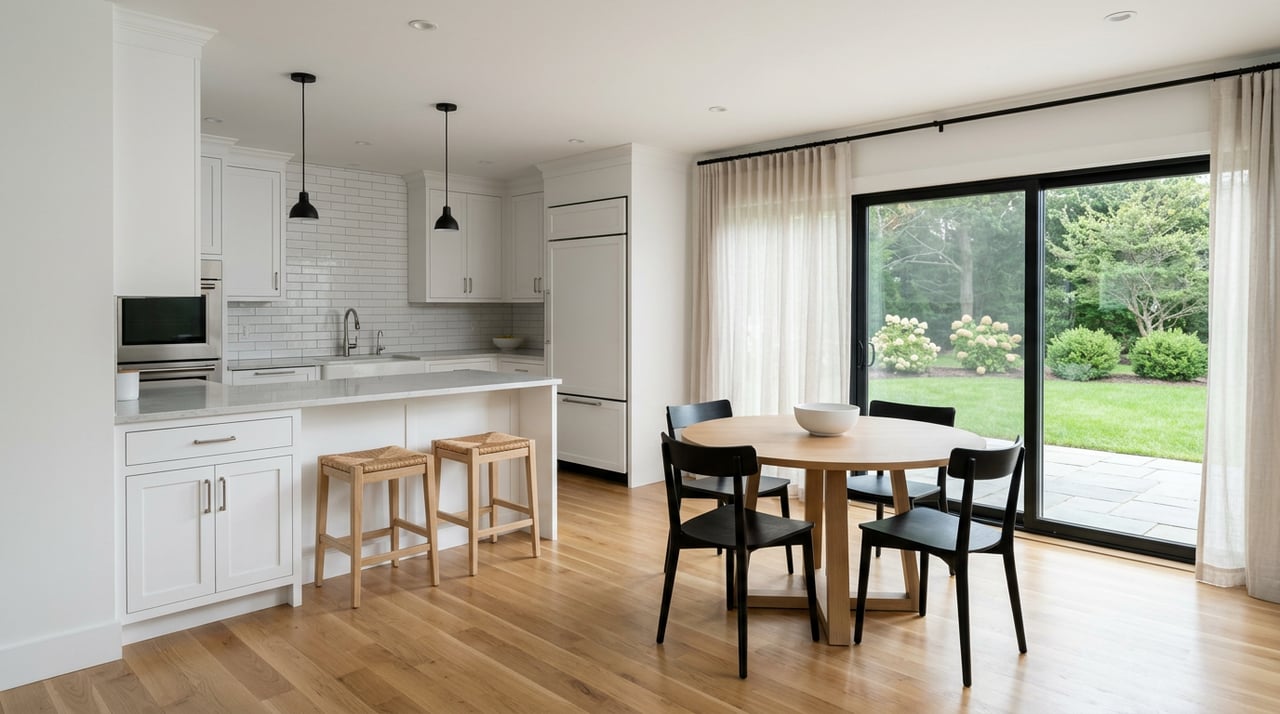
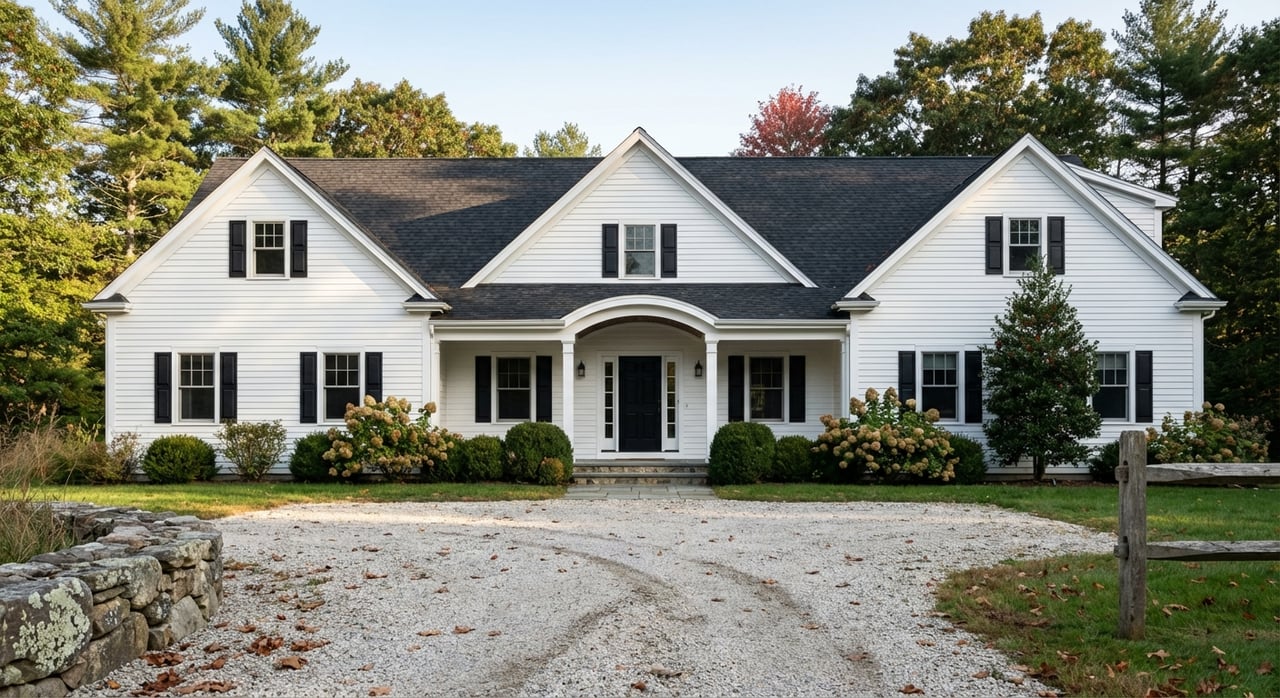
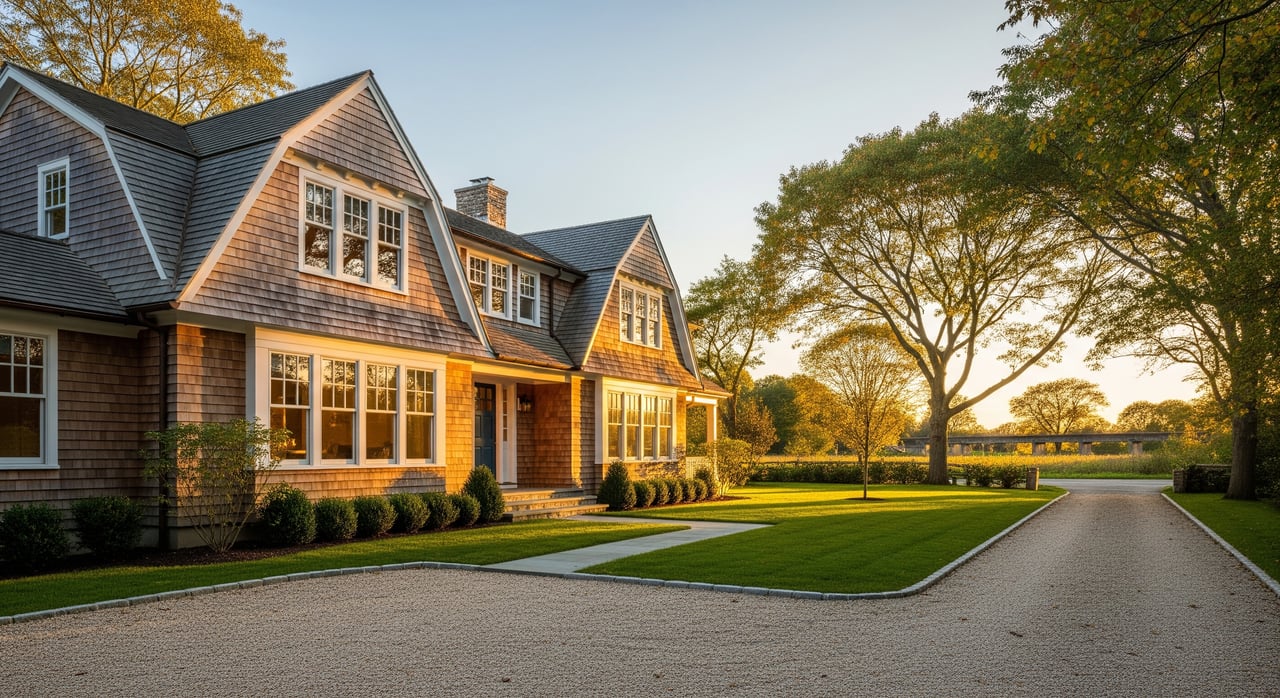
The dominant housing type in Easton is the single-family home on substantial acreage. You will see historic farmhouses, classic colonials with stone walls, and custom builds tucked into wooded settings. New construction exists, but not at the volume you’ll find in larger suburbs, so expect more custom or semi-custom work when it does appear.
What affects price
Lot size, privacy, recent renovations, and proximity to conservation land are key value drivers. Access to nearby train stations can also influence price and buyer demand. Inventory for well-maintained multi-acre properties can be tight, so be prepared to move decisively when the right home appears.
Buyer checklist
- Test your commute, including drive-to-station timing and parking.
- Review school information through state and district resources.
- Confirm property taxes and total cost of ownership for acreage.
- Verify zoning and permitted uses if you want hobby farming or equestrian features.
- Plan for septic and well evaluations, plus a full home inspection.
Wells, septic, and land care
Utilities and heating
Many Easton homes use private wells and on-site septic systems. Heating fuel varies and may include oil, propane, natural gas where available, or electric systems. If you are considering system upgrades, factor in fuel delivery logistics, potential conversions, and utility costs.
Septic and well steps
Ask for septic pump and maintenance records, and schedule a licensed septic inspection. For wells, test water for potability and evaluate yield, especially if you plan to garden or support small-scale agricultural uses. Find guidance on testing and maintenance through the Connecticut Department of Public Health’s Private Well Program.
Wetlands and site rules
If a property is near streams or wetlands, local and state protections may limit where you can build, clear, or place a septic system. Before you design additions or new structures, consult the town and review the CT DEEP Inland Wetlands and Watercourses resources. Be sure your attorney and inspector check for conservation easements or deed restrictions during due diligence.
Ongoing maintenance
Wooded, multi-acre properties require steady care. Budget for tree work to reduce storm risk, driveway snow removal, and upkeep for longer private drives or shared roads. This ongoing attention helps protect your investment and keeps access reliable year-round.
A simple town tour
Start at the town green to get a feel for Easton’s village center. You will find civic buildings, the library, and community spaces clustered together. It is a great place to picture everyday life and get oriented.
From there, explore local farms and seasonal farm stands. The farm-to-table culture is part of what makes Easton special, with produce, flowers, and small-batch goods available throughout the growing season. Hours and offerings vary, so confirm current schedules with the town or local farm networks.
Wrap up with a nature walk on nearby conservation trails. You will see low-impact recreation options for hiking and birding across town. For maps, departments, and contacts, use the Town of Easton official site to locate the appropriate boards and commissions.
Plan your move with us
Relocating to a rural market is about practical planning and the right local guidance. A smart approach is to schedule both a weekday and a weekend visit, test your commute, and line up inspections early if you find a fit. If you want a trusted partner to help you navigate Easton’s homes, land use considerations, and town processes, reach out to Ken Banks for boutique, white-glove representation backed by William Raveis resources.
FAQs
How does the Easton-to-NYC commute work?
- You typically drive to a nearby New Haven Line station and take Metro-North to Grand Central; confirm current schedules and pricing on the MTA site and test the drive-and-park timing.
Does Easton have shopping and restaurants in town?
- Options inside Easton are limited; most residents drive to Fairfield, Westport, or Southport for broader dining, shopping, and services.
What should I know about wells and septic in Easton?
- Many homes rely on private wells and septic systems; budget for testing and inspections, and review best practices through the Connecticut Department of Public Health.
Are there building limits on wooded or waterfront-adjacent lots?
- Yes, wetlands and watercourse protections apply; consult the town and review CT DEEP resources before planning additions, clearing, or new construction.
What types of homes are common in Easton?
- Single-family homes on larger lots are the norm, including historic farmhouses, colonials, and custom builds with a strong emphasis on privacy and natural settings.