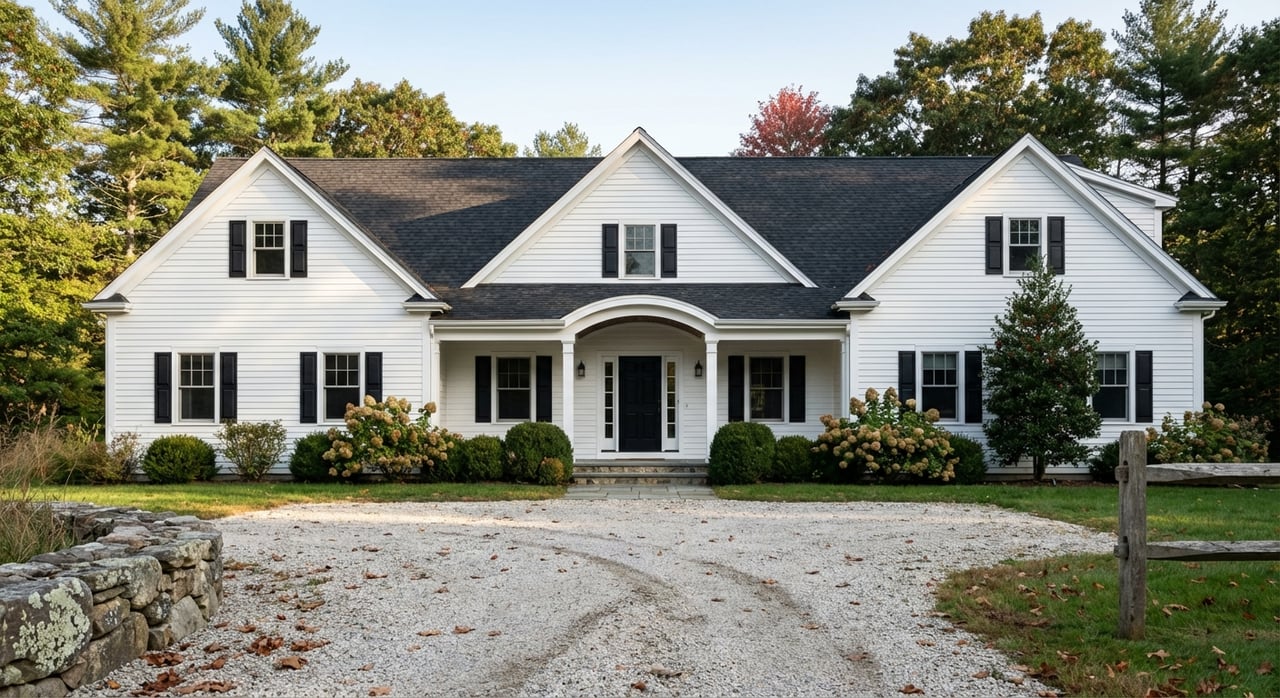
If you crave a home where the horizon is trees, not rooftops, Easton belongs on your short list. Many buyers come to this corner of Fairfield County for space, quiet roads, and a true country feel without leaving the county. In this guide, you’ll see why Easton delivers privacy, what typical properties look like, how it compares to nearby towns, and a simple checklist to shop with confidence. Let’s dive in.
Why Easton works for privacy
Big-lot zoning sets the tone
Easton’s zoning is built for space. The town’s regulations set two main residential districts with large minimum lots: Residence A at 40,000 square feet (about 0.92 acres) and Residence B at 3.0 acres. These standards, plus required frontage, setbacks, and buildable area rules, keep homes naturally spread out and limit the number of houses per road segment. You can review the dimensional standards directly in the town’s zoning regulations.
Setbacks amplify seclusion
Beyond lot size, Easton’s rules push homes back from the street and away from side and rear lines. Deep front, side, and rear yard setbacks, along with coverage and buildable area limits, mean even a one-acre parcel often feels tucked away. The result is quieter sightlines, more trees between neighbors, and safer, slower local roads.
Scenic roads and preserved land
Easton protects the look and feel of its country lanes. The town’s Scenic Road Ordinance preserves stone walls, mature trees, and the narrow, leafy character that keeps traffic calm. Open space is also a pillar of privacy here. The regional Trout Brook Valley conservation area spans 1,009 acres across Easton and Weston, providing permanent natural buffers and miles of green backdrop. Learn about the preserve’s history through the Aspetuck Land Trust. Town planning materials describe Easton as an “oasis of rural charm in busy Fairfield County,” with significant land preserved for the long term, which helps maintain the town’s low-density feel. You can find a hub of those resources on the Land Use and Planning page.
What you will see on the market
Typical lot sizes and property styles
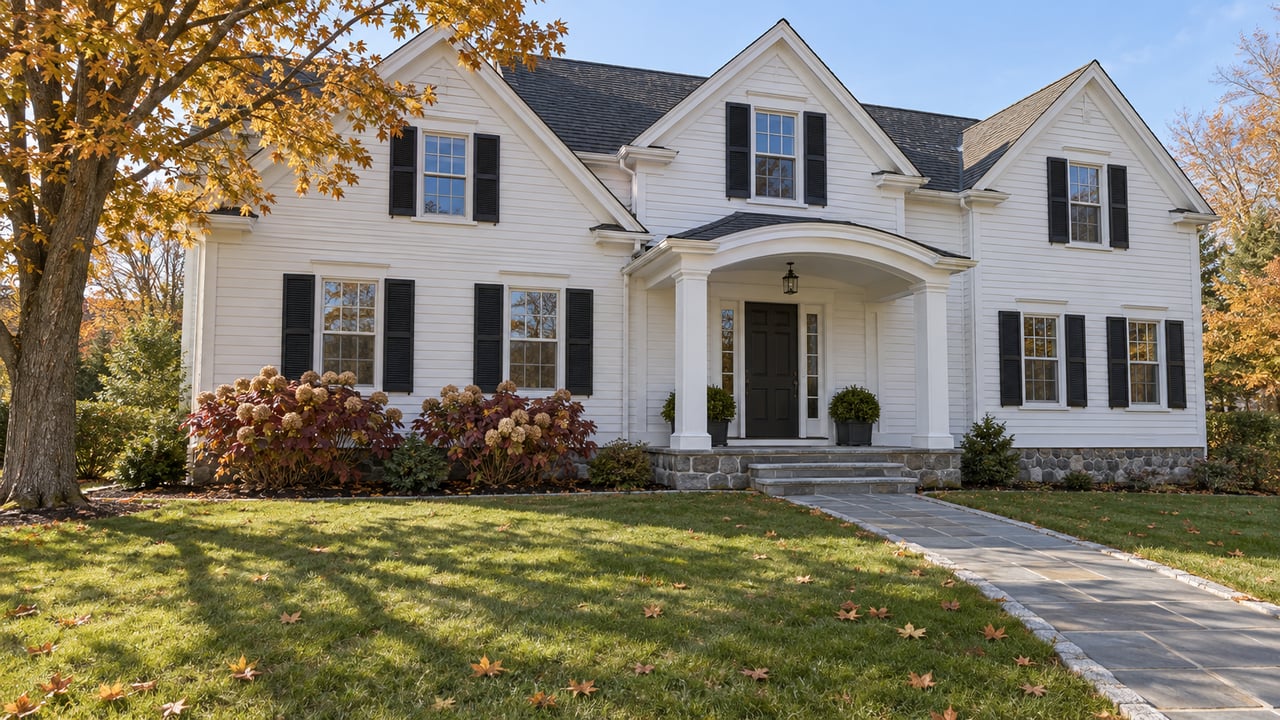
Listing snapshots often show multiple acres per property in Easton. One market view puts the median lot size among active listings at roughly 3.03 acres, with individual homes commonly ranging from about two acres to rare double-digit parcels. You can see examples in current listings on EZHomeSearch’s Easton page. Styles span classic Connecticut farmhouses and colonials, renovated ranches, and larger estate homes, reflecting an established housing stock with generous footprints and outdoor space.
Price and competition
Recent 12-month snapshots place Easton’s median sold price around the mid-six-figure to low-seven-figure range, approximately $950,000 in mid-2025 views. Inventory tends to run lean, and some months show a share of homes selling above asking, especially when an acreage property checks all the boxes. For the latest context, review the Easton market report. Expect figures to shift with seasonality and supply.
Easton versus nearby towns
Easton and Weston
Both towns offer rural privacy, but the zoning baselines differ. Easton’s Residence B minimum is 3.0 acres where that zone applies, while Weston’s primary residential and farming district requires two acres. If you are comparing specific streets, study the exact zone maps and dimensional rules for each property. You can see Weston’s baseline standards in its zoning code reference.
Inland privacy with county access
Coastal towns in Fairfield County often feature denser neighborhoods and smaller average lots near train-served centers. Easton trades those village conveniences for space, quiet roads, and wooded buffers. Many buyers find it a compelling balance when they want acreage yet still need proximity to county amenities, neighboring town centers, and regional routes.
A practical buyer checklist
Use this short list to focus your search and protect your privacy goals from day one:
- Verify zoning and setbacks. Confirm a parcel’s district and dimensional standards, plus any special procedures like conservation development clustering. The town’s planning hub is a good starting point: Land Use and Planning.
- Confirm septic and well details. Many properties use private wells and on-site septic. Ask for health department files, past pumping or repair records, and perc test info when available. Rules in the zoning code tie lot and buildable area to health code compliance.
- Check for public water and hydrants. Some areas are served by Aquarion mains within the Easton Fire District. If hydrants or public water influence insurance or maintenance comfort, review service coverage through the Easton Fire District page.
- Review scenic road frontage. If the home sits on a designated scenic road, understand guidelines for tree work, stone walls, and driveway cuts under the Scenic Road Ordinance.
- Map conserved land and trails. Adjacencies to Aspetuck Land Trust holdings or state land can elevate long-term privacy and provide trail access. Start with Trout Brook Valley’s background from the Aspetuck Land Trust.
- Prepare to act quickly. Acreage properties are finite. Get fully pre-approved, clarify your must-haves, and be ready to tour early and write a clean, well-documented offer when the right property appears.
How we help you win privacy in Easton
When you want acreage, you also need clarity on septic and well systems, buildable envelopes, scenic road rules, and how preserves and easements shape long-term privacy. That is where local guidance makes the difference. Our team pairs on-the-ground neighborhood knowledge with premium presentation and careful due diligence so you can move with confidence, from first tour to closing.
If Easton’s quiet roads and wooded acreage match your vision, let’s talk strategy, timing, and the exact features that matter most to you. Connect with Ken Banks to start your Easton plan.
FAQs
What lot sizes can I expect in Easton if privacy is my priority?
- Active listing snapshots often show multi-acre parcels, with a recent median lot size around 3.03 acres and a common range from about two acres to larger estate parcels. See examples on EZHomeSearch’s Easton page.
How do Easton’s zoning minimums affect where I can build on a lot?
- Easton sets minimum lots of 40,000 square feet in Residence A and 3.0 acres in Residence B, plus setbacks and buildable area rules that shape home placement for added separation. Review details in the town’s zoning regulations.
Is there public water or are homes on wells in Easton?
- Many homes use private wells and on-site septic, but parts of town have Aquarion water mains and hydrants within the Easton Fire District. To confirm coverage near a property, check the Easton Fire District page.
What is a scenic road and why does it matter to buyers?
- A designated scenic road has protections for features like stone walls and trees, which help preserve road character and quiet. If your home fronts one, rules can influence driveway work, roadside clearing, and curb appeal projects.
How competitive is it to buy an acreage property in Easton?
- Inventory is limited and well-sited acreage can draw strong interest. Recent market views show some months with sales above asking on select properties, so pre-approval and a clean offer strategy help you move fast when the right home appears.