Picture your weekend starting with coffee by the water, a quick stroll to the beach, and an easy train back to the city when you need it. If you are weighing a second home or retreat near New York City, Westport often lands at the top of the list. You want real numbers, clear tradeoffs, and a practical roadmap before you commit. In this guide, you will learn what your budget buys, how beaches and seasonality shape your stay, what to know about rentals and taxes, and how waterfront risk affects costs. Let’s dive in.
Quick answer: Who Westport fits
If you want a coastal town with strong amenities, convenient rail access, and a mature luxury market, Westport is a smart fit. You will find a range of neighborhoods, from walkable riverfront blocks to quiet inland streets with larger lots. Three town beaches, a state park, and a lively summer calendar make seasonal living easy.
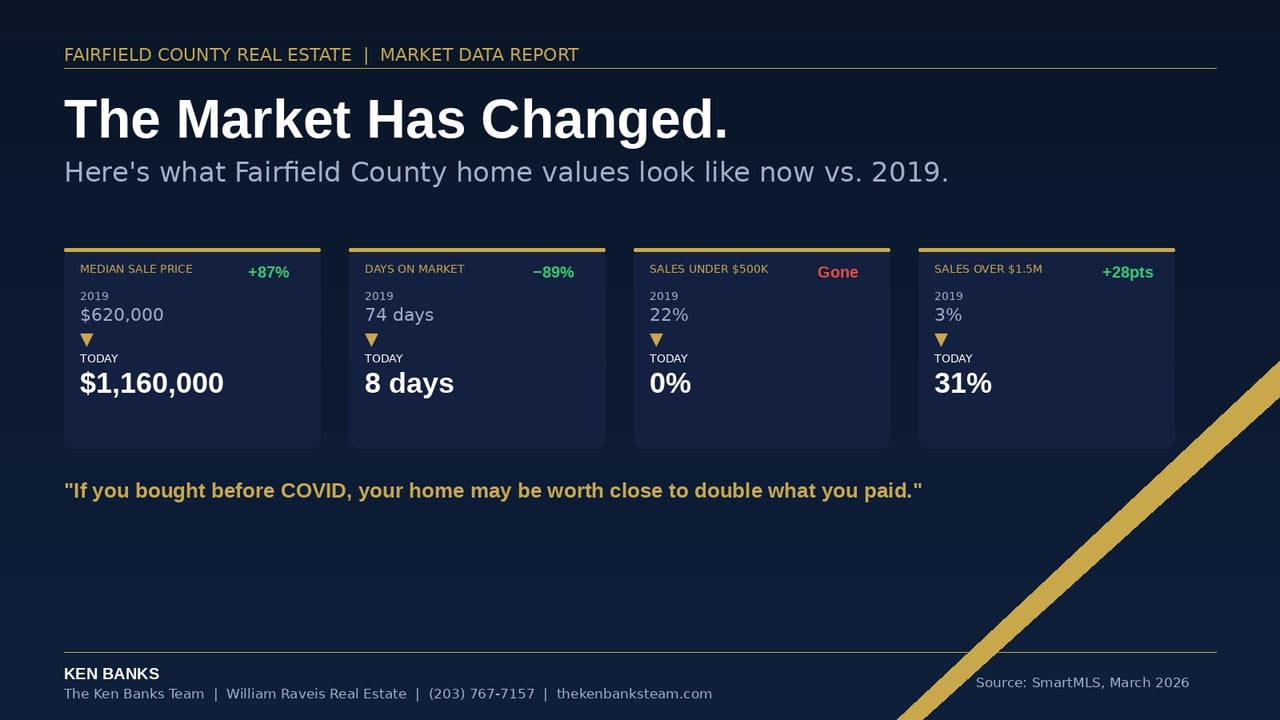
At today’s levels, Westport is a high‑end market. Multiple data sources put typical values and recent sale medians near or above two million dollars. Zillow’s ZHVI shows about $1.9 million through late 2025. Redfin’s median sale in January 2026 was roughly $2.02 million. Realtor.com reports even higher listing medians in premium pockets. These measures differ by method, so use them as a range rather than one target number.
What your budget buys now
Westport prices vary widely by location, lot, and condition. Think in tiers rather than one median number.
- Entry points: inland condos and some older single‑family homes can list below the town median. Inventory in this band is limited.
- Mid‑tier near amenities: homes near downtown, Saugatuck, and the train often land in the low to mid millions because of walkability and rail access.
- Premium coastal: Compo‑Owenoke, Greens Farms, and waterfront or water‑adjacent homes command the top tier. Prices here can be several million above inland medians.
A local, recent comp set is still the best pricing lens. Use the data ranges above for orientation, then tighten with active, pending, and last‑90‑day sales when you are ready to write an offer.
Waterfront vs inland
Waterfront lifestyle
Waterfront and beach‑neck homes offer direct Long Island Sound access, views, outdoor gathering space, and proximity to Westport’s marquee sands. Daily life often centers on Compo Beach, where amenities and seasonal programming create a true summer hub. Learn the current pass and day‑use details on the town’s Compo Beach page.
Waterfront costs and risks
Owning on the coast comes with extra diligence and higher carrying costs in many cases.
- Flood exposure: Many coastal parcels sit in FEMA Special Flood Hazard Areas. Before you make an offer, pull the exact property on the FEMA Flood Map Service Center and ask for any Elevation Certificate. Lenders often require flood insurance in SFHAs, and premiums vary by flood zone and elevation.
- Insurance and underwriting: Carriers may require special coastal endorsements. Get sample flood and homeowners quotes early. You can review basics at FloodSmart.
- Shoreline maintenance: Bulkheads, pilings, and erosion controls require ongoing care, especially after storm events.
- Access rights: A waterfront address does not always include private beach rights. Confirm deeded access or association privileges, and remember that town beaches are public with resident and nonresident rules posted on the Compo Beach page.
Town resilience and projects
Westport monitors and funds shoreline and tidal projects as part of broader capital planning. Ask about any planned flood‑mitigation work or nearby projects during your diligence. Local reporting, such as the Westport Journal’s coverage of town budgets, is a useful context check for near‑term priorities. See a recent tax and budget report from the Westport Journal.
Condo vs single‑family for a retreat
Condos can simplify second‑home ownership. You will likely see lower routine maintenance, easier winterization, possible building amenities, and a smoother lock‑and‑leave setup. The tradeoffs are HOA rules, limited private outdoor space, and potential rental restrictions. Always review condo bylaws for rental limits, guest policies, and any special assessments.
Single‑family homes deliver privacy, flexible guest capacity, and, when allowed, simpler whole‑home rentals. Waterfront estates can command top seasonal rates. The tradeoffs are higher purchase prices, more upkeep, and, for coastal properties, flood risk and insurance costs. Compare total carrying costs across options so you know the full picture.
Beaches, seasonality, and access
Westport’s three town beaches — Compo, Burying Hill, and Old Mill — shape seasonal rhythms. Compo runs lifeguards from Memorial Day weekend through Labor Day and enforces seasonal parking emblems from May 1 through September 30. Daily parking passes are limited and sell out on peak days, which affects guest logistics if you host visitors. Read the latest rules on the town’s Compo Beach page.
Sherwood Island State Park, managed by the state, is another standout with its own parking and fee structure. It is a great summer alternative if town beach parking is tight. Explore features and rules at Sherwood Island State Park.
Renting your place: what to know
Short‑term rentals can help offset costs, especially in peak months. Plan carefully and build your model around conservative assumptions.
Taxes and permits
Connecticut treats most short stays as taxable. The state room occupancy tax rate for many short‑term home rentals is 15 percent. Marketplaces sometimes collect and remit on your behalf, but you are responsible for compliance. Review the rules at the CT Department of Revenue Services’ Room Occupancy Tax page and confirm whether you need to register if you take direct bookings.
Westport regulates land use through its Planning and Zoning Department. Before you rely on rental income, verify whether short‑term rentals are permitted in the property’s zoning district and whether a permit or registration is needed. Start with the town’s Planning and Zoning Department.
Seasonality and demand
Summer drives demand here. Occupancy and nightly rates typically rise from May through September thanks to beaches, boating, and town events, including popular holiday fireworks and festivals. Peak dates can be your strongest revenue windows but also come with tighter parking and neighborhood activity.
Rental checklist
- Confirm zoning and any permit requirements with Westport Planning and Zoning.
- If buying a condo, review HOA documents for rental limits or bans.
- Verify state room occupancy tax obligations and marketplace collection.
- Pull flood zone data and get sample flood insurance quotes if near the coast using the FEMA Flood Map Service Center.
- Factor guest parking and beach access rules into your plan using the town’s Compo Beach page.
Neighborhood snapshots for second‑home goals
- Saugatuck and downtown: Walkable areas near the river, restaurants, and the Westport station. Many weekenders love the easy train link to the city. Typical Grand Central ride times are often about 50 to 75 minutes depending on the train pattern and time of day.
- Compo and Compo‑Owenoke: Beach‑centric living close to Westport’s flagship sand, with a premium for proximity. Summer feels effortless here.
- Greens Farms: Larger lots and a quieter, estate feel with its own train station. A strong choice if you want privacy now and a path to full‑time living later.
- Coleytown, Long Lots, Old Hill: Inland neighborhoods with more interior parcels and yard space. Consider these if you value room to spread out while staying within a short drive of beaches and town.
Costs to pencil out before you buy
Look beyond the purchase price. Model your full annual carrying costs.
- Property taxes: Westport’s approved tax rate for FY 2025–2026 is 18.86 mills. That equals $18.86 per $1,000 of assessed value. For example, an assessed value of $1,000,000 would mean about $18,860 in annual property taxes. See coverage of the mill rate at the Westport Journal.
- Insurance: Request quotes for homeowners and flood (if applicable) based on the home’s exact flood zone and elevation. Use the FEMA Flood Map Service Center to confirm the zone, and consult FloodSmart for NFIP guidance.
- Utilities and maintenance: Budget for coastal wear, winterization, window cleaning, landscaping, and shoreline upkeep if you are on or near the water.
- HOA or condo fees: Review what is included, any pending assessments, and rental or guest policies.
- Commuting and parking: If you plan to split time with the city, test drive times, train schedules, and station parking during peak and off‑peak hours.
Due diligence checklist
Do these items before you make an offer so your retreat performs the way you expect.
- Verify zoning and any short‑term rental rules with Westport’s Planning and Zoning Department.
- Check the exact flood zone and request any Elevation Certificate. Run the address on the FEMA Flood Map Service Center and get sample flood insurance quotes.
- Confirm beach access rights. If there is no deeded or association access, plan on public beach rules and seasonal permits posted on the Compo Beach page.
- Model property taxes using the current mill rate and the home’s assessed value. Reference the Westport Journal for the latest approved rate.
- If a condo, review bylaws for rental rules, guest policies, and any special assessment history.
- If you plan to rent, speak with the Building Department and Fire Marshal about safety and inspection requirements. Start with Planning and Zoning for the correct contacts.
- Test your door‑to‑desk commute at the times you will actually travel.
How to use this guide with a local partner
Choosing a second home is part numbers, part lifestyle. You want a clear plan, clean presentation, and a team that knows which streets fit which goals. Our group pairs local market insight with premium marketing, access to mortgage and insurance partners, and a service‑first approach tailored to your pace.
If you are ready to explore Westport’s neighborhoods or pressure‑test your budget against real listings, reach out to Ken Banks. We will help you compare inland vs waterfront, condo vs single‑family, and guide you from search to close with calm, expert support.
FAQs
Is Westport a good second‑home market near NYC?
- Yes. It offers beaches, dining, a mature luxury market with typical values near or above two million dollars, and direct rail access with rides to Grand Central often around 50 to 75 minutes.
How do Westport beaches work for second‑home owners?
- Compo Beach runs seasonal parking emblems May 1 through September 30, limited daily passes, and lifeguards Memorial Day to Labor Day. Check current rules on the town’s Compo page.
What should I know about waterfront risk and insurance?
- Pull the property’s FEMA flood zone, get or request an Elevation Certificate, and secure sample flood and homeowners quotes before you offer since flood‑zone and elevation drive costs.
Can I short‑term rent my Westport home?
- Possibly. Confirm zoning and any permits with Westport Planning and Zoning and review Connecticut’s 15 percent room occupancy tax rules to ensure compliance.
Condo or single‑family for a retreat?
- Condos simplify maintenance and security but may restrict rentals. Single‑family homes offer privacy and flexibility with higher upkeep and, on the coast, added flood considerations.